

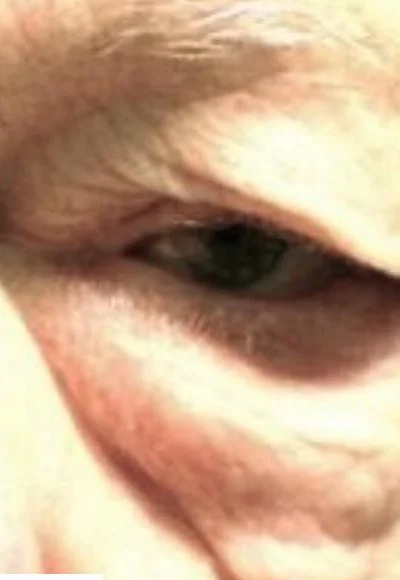
Ptosis is a common condition wherein the upper eyelid droops, sometimes even causing difficulty in seeing clearly. Ptosis can occur in the eyelid of one eye or in both eyes and it may be very visible or barely noticeable. Although drooping eyelids are a common consequence of aging, ptosis can also occur in young adults and sometimes, even in children.
The most significant problem that individuals suffering from this problem face is that they may have to look up, tilting their head to see without their vision being obstructed by the drooping eyelid. Others get into the habit of lifting their eyebrows repeatedly in order to lift the eyelids and thus see better. Blepharoplasty or upper eyelid surgery is a simple surgical procedure that can eliminate this problem.
What causes ptosis?
There are several factors that can cause drooping eyelids or ptosis. They include:
- Congenital ptosis: Ptosis may exist in an individual from birth, as a congenital problem, in which case it becomes evident in early childhood and should be corrected at this stage to avoid other problems like amblyopia from arising.
- Aging: Drooping eyelids are a common consequence of aging. Upper eyelid surgery is a popular treatment choice for regaining a youthful appearance and many individuals opt for this procedure along with their Dysport treatment.
- Weak muscles: Injuries to the eye or eye area can result in drooping eyelids especially if they have damaged the muscles around the eyes. In some patients, the muscles that lift the yield fail to work perfectly because of their facial anatomy. These problems can be rectified via reconstructive surgery too.
- Tumors: Eye tumors can cause the eyelids to droop extensively, impairing the sight of the individual. A comprehensive eye exam by your ophthalmologist is the most effective way to detect tumors and to understand how they can be treated.
Whether your drooping eyelids are the cause of injury or natural causes, it is necessary to correct the conditions quickly. Otherwise this condition can pave the way for excessive eye strain or deteriorating vision.
Want To Learn More About Treating Ptosis? Contact Dr. John Lee
For more information about drooping eyelids, blepharoplasty and other eye treatments, contact Dr. John Lee at the Bryn Mawr Facial Aesthetics Center. We are located in Philadelphia and can be reached directly at [flc-phone]. We look forward to hearing from you soon.
The Eyelids Surgery Expert
Explore
Facial Procedure Options
 Lower Eyelid SurgeryLower Eyelid SurgeryRemove under-eye bags with lower blepharoplasty by Dr. John Lee — scarless transconjunctival fat removal with minimal downtime, in Bryn Mawr on Philadelphia's Main Line.More about Lower Eyelid Surgery
 Upper Eyelid SurgeryUpper Eyelid SurgeryUpper eyelid surgery by oculoplastic surgeon Dr. John Lee: excess skin removal with meticulous crease work for a refreshed, natural look. Bryn Mawr & Philadelphia.More about Upper Eyelid Surgery
 Asian Eyelid SurgeryAsian Eyelid SurgeryNationally recognized Asian eyelid surgeon Dr. John Lee creates natural double eyelid creases — incisional & suture methods, 10,000+ eyelid procedures. Bryn Mawr, PA.More about Asian Eyelid Surgery
 Brow LiftBrow LiftDr. John Lee has helped countless patients achieve amazing & youthful results with his brow lift procedure. Explore your treatment options today!More about Brow Lift
Patient questions
Frequently Asked Questions
What is ptosis?
Ptosis is a common condition in which the upper eyelid droops — in one eye or both — sometimes making it difficult to see clearly. It can be barely noticeable or visibly obstruct vision.
What causes a droopy eyelid?
Ptosis can be congenital (present from birth), a consequence of aging, the result of weak or injured muscles around the eye, or — rarely — caused by an eye tumor, which is why a comprehensive eye exam matters.
How is ptosis treated?
What happens if ptosis is left untreated?
Untreated ptosis can lead to excessive eye strain and deteriorating vision. Many people compensate by tilting their head back or repeatedly lifting their eyebrows to see clearly.
Can children have ptosis?
Yes. Congenital ptosis becomes evident in early childhood and should be corrected at that stage to prevent other problems, such as amblyopia, from developing.