


Home FUE Hair Transplant Surgery: A Complete Guide
FUE Hair Transplant Surgery: A Complete Guide
In Bryn Mawr, PA & Margate City, NJ
A successful hair transplant is a blend of medical science and artistry. The procedure isn’t just about adding density; it’s about recreating a soft, natural hairline that perfectly frames your face. This is the core principle behind Follicular Unit Excision (FUE), a technique that requires incredible precision and a deep understanding of hair growth patterns.
The surgeon meticulously harvests and places individual follicles one by one, ensuring the angle and direction of each hair contributes to a seamless result. This guide explains how the technology behind hair transplant surgery fue makes this possible and why the surgeon’s expertise is the most critical factor in your outcome.
Key Takeaways
- FUE provides natural-looking results with minimal scarring: This modern technique transplants individual hair follicles, allowing for a customized hairline and leaving behind only tiny marks that are easily hidden by short hair.
- Your final results will develop over time: Expect newly transplanted hairs to shed initially, with new, permanent growth beginning around the three to four-month mark and continuing to mature for up to a year.
- The surgeon’s skill determines your outcome: The success of your transplant, from the safety of the procedure to the artistry of the final look, depends entirely on the experience of your chosen specialist.
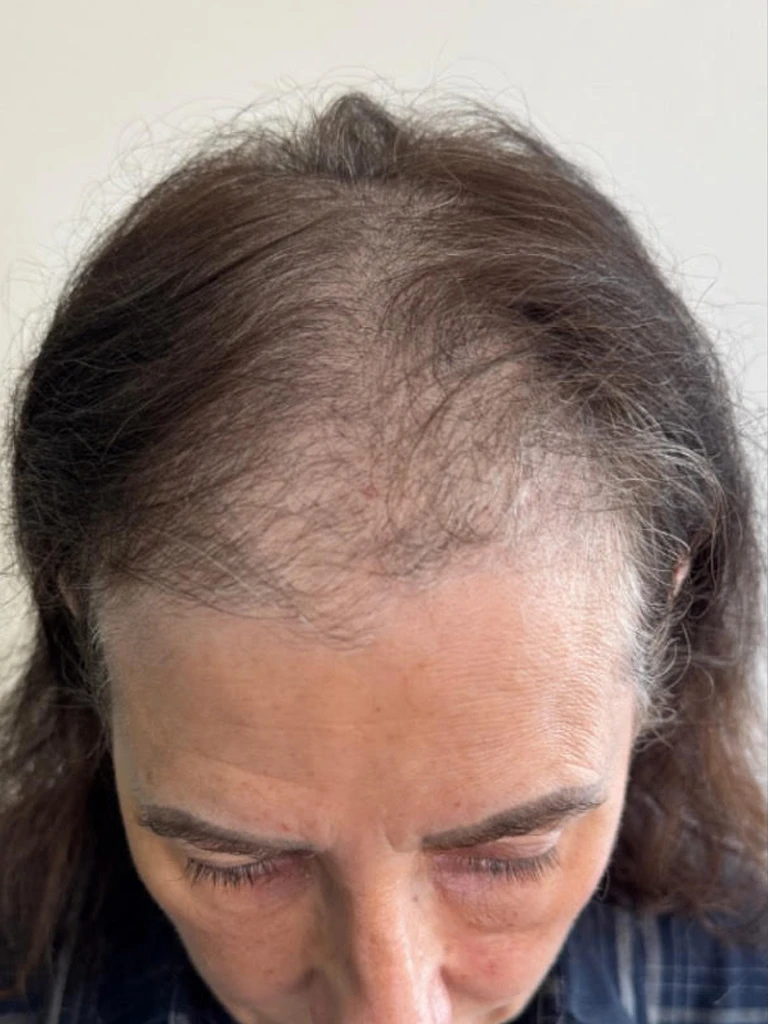
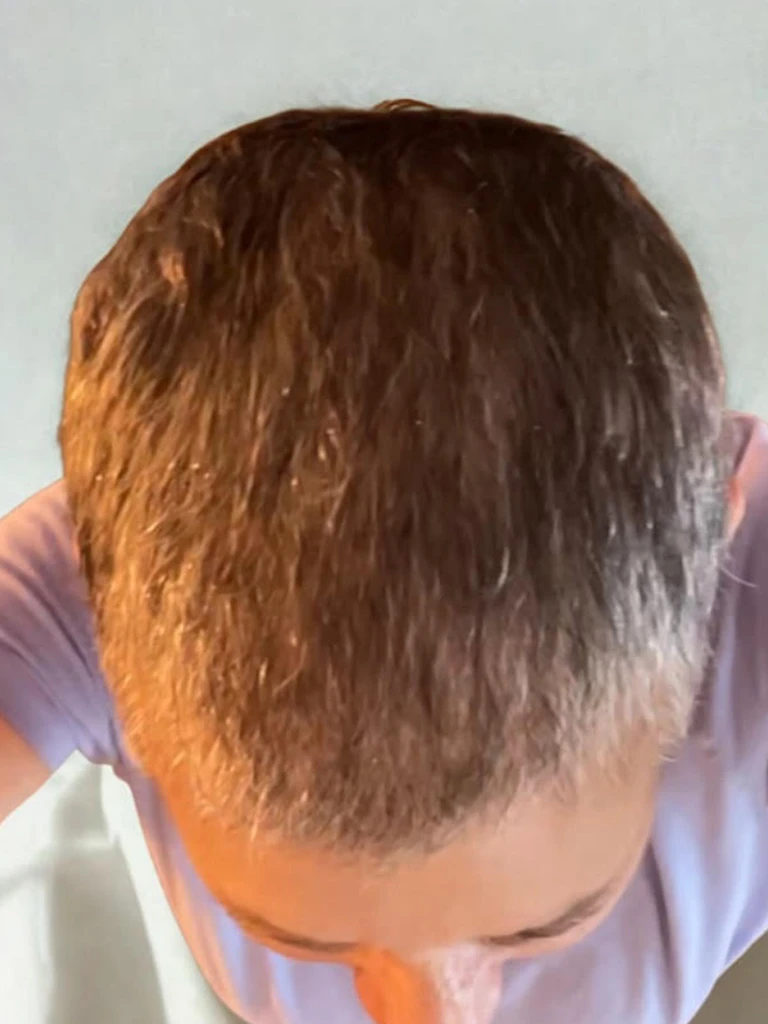
What is an FUE Hair Transplant?
If you’re exploring options for hair restoration, you’ve likely come across the term FUE. So, what exactly is it? FUE stands for Follicular Unit Excision, a modern and minimally invasive hair transplant technique. Think of it as a meticulous relocation process for your hair. Instead of moving a whole strip of scalp, the surgeon carefully extracts individual hair follicles, which are natural groupings of one to four hairs, from a donor area. This is typically the back or sides of your head where hair is fuller and more resistant to thinning.
These healthy follicles are then precisely implanted into the areas where your hair is thinning or balding. The goal is to mimic natural hair growth patterns, creating a result that is both dense and completely your own. Because the procedure is so detailed, it allows for incredible artistry in recreating a soft, natural-looking hairline. It’s a fantastic option for both men and women looking to address hair loss without the significant downtime or scarring associated with older methods.
The entire process is designed to be as comfortable as possible, helping you regain not just your hair, but your confidence, too.
The FUE Procedure, Step by Step
The FUE process is straightforward and carefully planned. First, you’ll have a consultation with your surgeon to map out your new hairline and identify the best donor areas. On the day of the procedure, the donor area is numbed with a local anesthetic so you won’t feel any discomfort. Your surgeon then makes tiny incisions in the recipient area, which will house the new follicles.
Next comes the extraction, where individual follicular units are gently removed from the donor site. Finally, a skilled team meticulously places each graft into the prepared incisions, paying close attention to the angle and direction to ensure a natural look as it grows.
How FUE Compares to Traditional Methods
FUE is a major leap forward from older techniques, particularly the method known as FUT (Follicular Unit Transplantation). The FUT method involves removing a long strip of scalp from the donor area, which leaves a noticeable linear scar. This can be a significant drawback for those who like to wear their hair short. FUE, on the other hand, leaves only tiny, dot-like scars that are easily concealed by even short hair.
This technique also helps you avoid the unnatural “hair plug” look that was common with outdated procedures, instead delivering a much softer and more authentic result.
The Latest in FUE Technology
The world of hair restoration is always advancing, and FUE technology is no exception. Today, surgeons have access to sophisticated tools that make the procedure even more efficient and precise. Innovations like suction-assisted devices help protect the delicate follicles during extraction and placement, improving their survival rate. There are also “No-Shave” FUE options available, which are perfect for patients who want to keep their procedure discreet.
These advancements allow for a smoother process, a more comfortable experience, and ultimately, even better and more natural-looking results for you.
What Are the Benefits of FUE?
If you’re considering a hair transplant, you’ve likely come across the term FUE. This modern approach has become a popular choice for a reason: it offers significant advantages over older techniques. From the way the final results look to how you feel during recovery, FUE is designed to provide a more positive and effective experience. It addresses the primary concerns many people have about hair restoration, delivering a solution that is both subtle and powerful.
Let’s walk through some of the key benefits that make this procedure a leading option for hair loss.
Natural-Looking Results with Minimal Scarring
One of the biggest draws of FUE is the incredibly natural-looking outcome. The procedure involves transplanting individual hair follicles, which allows a surgeon to place each hair with precision, mimicking your natural growth pattern. This detailed approach helps avoid the “hair plug” look associated with outdated methods. Instead of a long, linear scar, FUE leaves behind tiny, dot-like scars in the donor area that are often unnoticeable once your hair grows in.
This makes it a fantastic option if you like to wear your hair short, as you can feel confident without worrying about visible scarring.
A Faster, More Comfortable Recovery
Because FUE is a minimally invasive technique, the recovery process is typically much quicker and more comfortable than traditional methods. The procedure is performed in-office, and you can go home the same day. While you’ll need to be gentle with the treated areas, most people can return to their daily activities within a few days. You can expect small scabs to form around the transplanted follicles, but these usually flake off within one to two weeks.
This streamlined recovery means less downtime and a smoother transition back to your normal routine.
A Versatile Solution for Different Hair Loss Types
FUE is a flexible procedure that can be adapted to various types of hair loss and patient needs. It’s an excellent solution for people with thinning hair or bald spots who still have a sufficient amount of healthy hair on the back or sides of their head to use as a donor source. What’s more, FUE technology allows for the possibility of using donor hair from other parts of the body, like the beard or chest, if scalp hair is limited.
A thorough hair restoration consultation with an experienced surgeon is the best way to determine if this versatile treatment is the right fit for you.


Are You a Good Candidate for FUE?
Figuring out if a Follicular Unit Excision (FUE) transplant is the right move for you is a huge first step. While FUE is a fantastic solution for hair loss, the best results always come from a great partnership between the right procedure and the right person. An ideal candidate is typically someone whose hair loss has stabilized, has a good amount of healthy donor hair on the back and sides of their head, is in good general health, and has realistic expectations for the outcome.
It’s a decision that involves more than just wanting fuller hair; it’s about ensuring you have the right foundation for a successful, natural-looking result that you’ll love for years.
The only way to know for sure if you’re a candidate is through a personal consultation. This is where we can assess your specific pattern of hair loss and talk through your goals. Our team is dedicated to creating personalized hair restoration plans that fit your unique situation. We’ll walk you through every detail, making sure you feel confident and informed about what FUE can achieve for you.
Assessing Your Hair Loss Pattern
One of the first things we look at is the type and stage of your hair loss. FUE works best for individuals with androgenetic alopecia, more commonly known as male or female pattern baldness. The ideal candidates are often those whose hair loss has slowed down and followed a predictable pattern. If your hair loss is still actively progressing, it can be challenging to design a transplant that will look balanced and natural five or ten years from now.
By waiting for the pattern to become more established, we can strategically place new hair for a seamless, long-lasting result that blends perfectly with your existing hair.
The Importance of Donor Hair Quality
The success of your FUE procedure is completely dependent on the health of your donor hair. This is the hair located on the back and sides of your head, which is naturally resistant to the hormone that causes pattern baldness. For your transplant to be permanent, the follicles must be harvested from this “safe donor area.” This is where the experience of your surgeon is so important.
A skilled expert can identify the strongest, most viable follicles while preserving the look of the donor area. If your donor hair is sparse, it might limit the amount of coverage we can achieve, which is why a thorough evaluation is a critical first step.
How Age and Gender Play a Role
There isn’t a magic age for getting an FUE transplant. What matters more than your age is the stability of your hair loss. While many people have successful procedures in their late 20s and 30s, the key is that their hair loss pattern is clear and not rapidly changing. FUE is an incredibly effective option for both men and women, and it’s actually the most common hair transplant method for both.
The approach might be slightly different, as women sometimes experience more diffuse thinning, but the core technique of transplanting healthy, permanent follicles to areas of need is exactly the same.
How Much Does an FUE Transplant Cost?
Let’s talk about the numbers. When considering an FUE hair transplant, the cost is naturally a major factor. While it’s impossible to give a one-size-fits-all price tag, a single FUE session typically ranges from $4,000 to $15,000. The final cost is highly personalized and depends entirely on your specific needs and goals. Most practices, including ours, price the procedure based on the number of grafts being transplanted. A graft is a tiny piece of scalp tissue containing one to four hair follicles.
To give you a clearer picture, someone needing 2,000 grafts will have a different total cost than someone who requires 3,500. The price per graft can also vary. Because every person’s hair loss pattern and desired outcome is unique, the only way to get an accurate quote is through a personal consultation. During this meeting, we can assess your hair, discuss your expectations, and create a detailed treatment plan that outlines the exact number of grafts you’ll need and the total investment required for your hair restoration.
This transparent approach ensures you know exactly what to expect before moving forward.
What Factors Influence the Price?
The price range for an FUE transplant is broad because several key factors determine your final cost. The most significant is the extent of your hair loss and the number of grafts needed to achieve your desired density. A larger area of thinning simply requires more work and more grafts. Another critical element is the quality of your donor hair, which is typically taken from the back and sides of your head.
The health and density of this area influence how many viable follicles can be successfully harvested and transplanted. Finally, the surgeon’s expertise plays a huge role, and for good reason. You are investing in the skill, artistry, and experience of a specialist like Dr. John Lee, whose precision ensures natural-looking, lasting results.
An Investment in Your Confidence
It’s helpful to view an FUE transplant not as a cost, but as a long-term investment in yourself. When performed by a skilled and experienced surgeon, the results are permanent. The transplanted follicles are harvested from areas of your scalp that are genetically resistant to balding, meaning they will continue to grow for a lifetime in their new location.
This isn’t a temporary fix or a cover-up; it’s a lasting solution that restores your natural hairline and hair density. The return on this investment is more than just hair. It’s about regaining confidence, feeling more like yourself, and no longer worrying about hiding thinning spots or styling your hair in specific ways.
Financing and Payment Options
It’s important to know that FUE hair transplantation is considered a cosmetic procedure, so it is almost never covered by health insurance. You should plan for this to be an out-of-pocket expense. We believe that financial considerations shouldn’t be a barrier to feeling your best, which is why we encourage an open conversation about the costs during your consultation.
We can walk you through the total price of your personalized treatment plan and discuss available payment options. Many patients find that planning ahead or exploring financing solutions can make the procedure more accessible. Our team is here to provide the information you need to make a comfortable and confident decision.

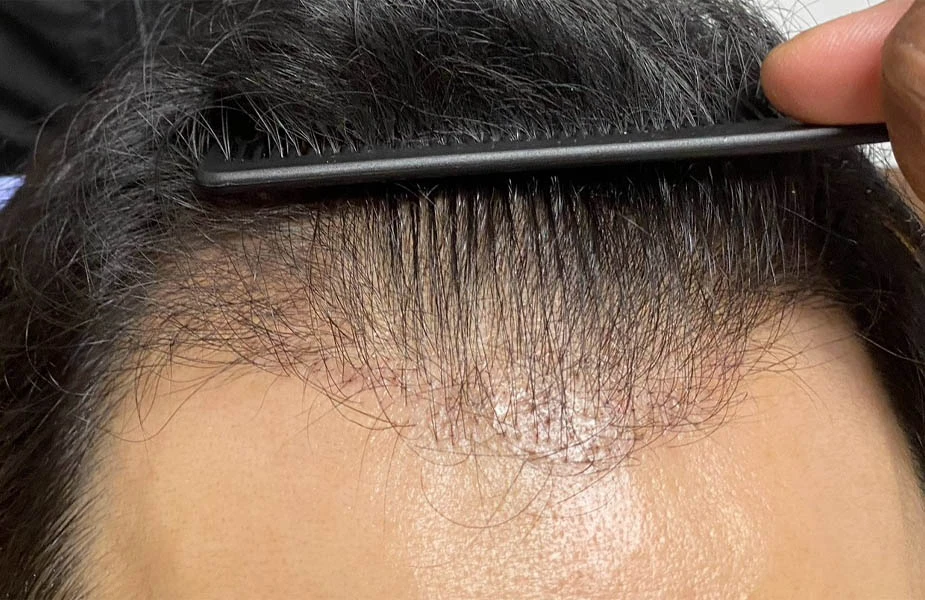
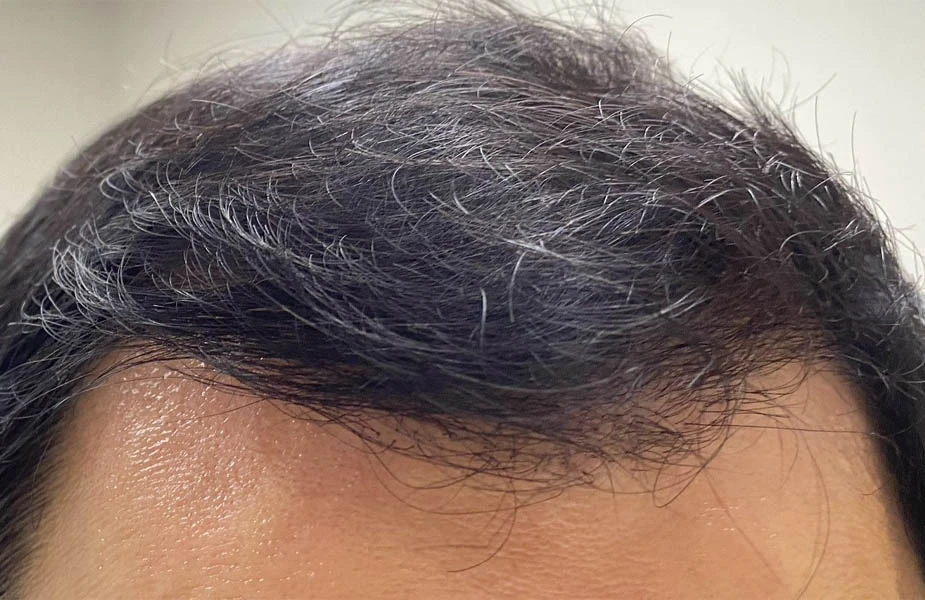
What to Expect During FUE Recovery
One of the best things about FUE is that the recovery is typically much faster and more comfortable than with older hair transplant methods. Since there are no linear incisions or stitches involved, you can get back to your routine relatively quickly. Your main job during this time is to rest and follow your aftercare instructions to the letter. This will protect your investment and give your new hair grafts the best possible environment to thrive.
The recovery process happens in stages, from the initial healing period to the exciting phase where you see new growth. It’s a journey that requires a bit of patience, but the results are well worth it.
We’ll walk you through exactly what to expect so you feel prepared and confident every step of the way. Remember, our team is always here to support you, and following the personalized plan we create for you is the key to achieving a fantastic, natural-looking outcome. Our approach to hair restoration is centered on expert care and beautiful, subtle results.
We understand that you’re not just restoring hair; you’re restoring confidence. That’s why we focus on a holistic recovery plan that addresses everything from physical healing to your peace of mind, ensuring you feel supported from your consultation through to your final results.
The First Two Weeks After Your Procedure
The first couple of weeks are all about gentle care. You’ll notice tiny scabs forming around the transplanted follicles and in the donor area; this is a normal part of healing. These scabs will naturally fall off within one to two weeks. It’s also common for the newly transplanted hairs to shed during this time. Don’t panic when this happens! The hair follicle itself is secure beneath the skin, ready to produce new hair in the coming months.
We’ll give you specific instructions, but generally, you should plan to take a couple of days off work to rest. You’ll need to wait at least three days before washing your hair, and when you do, use a very gentle, unscented shampoo. For the first three weeks, avoid combing or brushing your new hair to protect the delicate grafts.
Your Long-Term Hair Growth Timeline
Patience is your best friend after an FUE transplant. While the initial healing is quick, seeing your final results takes time. You can typically expect new hair to begin growing in about three to four months after your procedure. At first, the hair may be fine and sparse, but it will gradually become thicker and fuller over time.
Most of our patients see significant growth and coverage around the six-to-nine-month mark. However, the full, final results of your FUE transplant can take up to a year or even 18 months to appear as the hair matures. It’s a gradual but rewarding process, and watching your new hairline take shape is an exciting experience. We’ll schedule follow-up appointments to monitor your progress and ensure everything is growing as it should.
Essential Aftercare Instructions
Following your aftercare plan is crucial for a smooth recovery and optimal results. We’ll provide you with a detailed set of personalized instructions, but some universal guidelines apply. You should avoid any strenuous physical activity, including workouts and heavy lifting, for at least the first week to prevent swelling and protect the grafts.
It’s also important to avoid wearing hats or any other head coverings until your surgeon gives you the green light. We will also advise you on which medications and supplements to avoid before and after your procedure, such as aspirin or certain vitamins that can thin the blood. The guidance you receive from an experienced surgeon like Dr. John Lee is designed to ensure your safety and the success of your transplant.
Common FUE Myths, Busted
When you’re exploring options for hair restoration, it’s easy to come across conflicting information. Follicular Unit Extraction (FUE) is a highly effective and popular procedure, but it’s surrounded by a few common misconceptions. Let’s clear up the confusion and separate fact from fiction so you can make a decision with confidence. Understanding the reality of the procedure, the timeline for results, and the importance of quality care is key to a successful outcome.
Myth: FUE is Completely Scarless
One of the biggest selling points of FUE is its minimal scarring, which often gets translated to “scarless.” While FUE is a huge leap forward from older methods, no surgical procedure is truly scarless. Instead of the long, linear scar left by traditional FUT “strip” surgery, FUE involves extracting individual hair follicles. This process leaves behind tiny, dot-like scars that are typically less than a millimeter in diameter.
When performed by an expert surgeon, these small marks are scattered throughout the donor area and become virtually undetectable once your hair grows to a short length. The key is that the scarring is far less noticeable, giving you the freedom to wear your hair short without worrying about a visible scar.
Myth: You’ll See Results Instantly
It’s natural to want to see a full head of hair right after your procedure, but hair restoration is a process that requires patience. Shortly after the transplant, the newly grafted hairs will enter a resting phase and shed. This is a completely normal and expected part of the hair growth cycle. You can expect to see the first signs of new, permanent growth within four to six months.
From there, your hair will continue to grow thicker and fuller, with the most significant results typically visible after about a year. Think of it as planting a garden; the seeds need time to sprout and grow into a healthy, flourishing lawn.
Myth: A Cheaper Transplant is Just as Good
While it can be tempting to look for a bargain, your hair transplant is not the place to cut corners. FUE is a highly detailed and artistic procedure that demands the skill of an experienced surgeon and a dedicated team. The cost reflects the time, precision, and expertise required to achieve natural-looking, lasting results. Extremely low prices can be a red flag for clinics that use unlicensed technicians or outdated technology, which can lead to poor growth, unnatural hairlines, and even permanent damage to your donor area.
Investing in a reputable, board-certified surgeon ensures your safety and gives you the best possible chance for a result you’ll love. Your hair restoration is an investment in your confidence, and choosing the right provider is the most important step.

What Are the Risks and How Can You Minimize Them?
Like any surgical procedure, an FUE transplant has potential risks, but the good news is that major complications are rare, especially when you’re in the right hands. The most common issues are temporary and a normal part of the healing process. Understanding what to expect can help you feel more prepared and confident. The single most important factor in minimizing risk and ensuring a beautiful, natural-looking result is the skill and experience of your surgeon.
Let’s walk through what you can expect after the procedure and why your choice of provider is so critical to your outcome.
Managing Temporary Side Effects
After your FUE procedure, it’s normal to experience some temporary side effects as your scalp heals. You might notice small scabs where the follicles were placed, along with some mild swelling, itching, or sensitivity in the area. These effects typically resolve within a week or two. Don’t be alarmed if the newly transplanted hairs fall out after a few weeks; this is a completely normal phase called “shedding.” The hair follicles remain safe and sound beneath the skin, and you’ll start to see new, permanent hair growth within a few months.
Following your surgeon’s aftercare instructions is the best way to support a smooth and comfortable recovery.
Why Your Surgeon’s Expertise Matters
Choosing your surgeon is the most important decision you’ll make in your hair restoration journey. The success, safety, and naturalness of your results depend almost entirely on their skill. An experienced surgeon doesn’t just move hair from one place to another; they are artists who meticulously design a hairline that complements your facial structure.
They place each graft at the correct angle and density to create a result that is truly undetectable. A highly qualified expert like Dr. John J.W. Lee will also provide an honest assessment, letting you know if FUE is the right choice for you and setting clear, realistic expectations for your outcome.
How to Prepare for Your FUE Transplant
Getting ready for your FUE transplant is an exciting step. Proper preparation helps ensure your procedure goes smoothly and sets you up for the best possible outcome. Think of it as a team effort between you and your surgeon. Following these guidelines will help you feel confident and ready for the day of your procedure, paving the way for a comfortable experience and fantastic results.
Your Pre-Procedure Checklist
Your surgeon will give you a detailed list of instructions tailored to you. Generally, here’s a look at what you can expect to do in the days and weeks leading up to your hair restoration appointment:
- Adjust Medications and Supplements: You’ll likely need to pause certain medications and supplements, like aspirin, blood thinners, and even some vitamins, for about two weeks beforehand. This helps minimize bleeding during the procedure. Always discuss your full medication list with your doctor.
- Avoid Alcohol and Smoking: Plan to stop drinking alcohol at least three days before your procedure and smoking at least a day prior. Both can interfere with blood flow and the healing process.
- Skip the Haircut: Let your hair grow out before the procedure. The extra length helps conceal the donor area as it heals, making your recovery more discreet.
- Prep Your Scalp: Gently massaging your scalp for 10 to 30 minutes each day for a few weeks can improve circulation to the area, which is great for healing.
- Complete Pre-Op Tests: Your surgeon will require some basic health checks, like blood tests and an ECG, to confirm you’re ready for the procedure.
Setting Realistic Goals for Your Results
One of the most important parts of your preparation is understanding what to expect. An FUE transplant is a process, not an overnight transformation. Your final results will appear gradually over several months, sometimes taking a year or more to fully mature. It’s also helpful to remember that your donor hair is a limited resource, so your surgeon will use it strategically to create the most impactful and natural-looking result.
The final look depends heavily on the surgeon’s artistry in designing a hairline that complements your features and placing each graft correctly. This is where the expertise of a specialist like Dr. John Lee truly makes a difference. While you can expect significant new growth, the final density may vary, and you may still experience thinning in other areas over time. A thorough consultation is the best way to align your goals with what’s achievable.
Related Articles
Frequently Asked Questions
How long will it take to see the final results from my FUE transplant? Patience is key after your procedure. You’ll notice the first signs of new hair growth around three to four months, but the real magic happens over time. Your new hair will gradually grow thicker and denser, with most people seeing significant results around the nine-month mark. The full, final look can take up to a year, or even a bit longer, to completely mature.
Will my FUE transplant look obvious or unnatural? This is a common concern, but the goal of modern FUE is to create a result that is completely undetectable. Because the procedure involves transplanting individual hair follicles, a skilled surgeon can meticulously recreate your natural hairline, paying close attention to the angle and direction of each hair. This artistry helps you avoid the harsh, “plug-like” appearance of older methods and ensures your new hair blends seamlessly with your existing hair.
Is the FUE procedure painful? You can expect to be comfortable throughout the procedure. The treatment areas are numbed with a local anesthetic, so you won’t feel any pain during the extraction or placement of the follicles. After the procedure, most people report only mild soreness or tenderness in the scalp for a few days, which is easily managed.
Are the results from an FUE transplant permanent? Yes, the results are considered permanent. The transplanted hair follicles are taken from the back and sides of your head, an area that is genetically resistant to the hormone that causes pattern baldness. These follicles retain their resilient characteristics even after being moved, so they will continue to grow for a lifetime in their new location.
How do I know if I have enough healthy donor hair for a transplant? The only way to know for sure is to have your scalp evaluated during a personal consultation. An experienced surgeon will assess the density and quality of the hair in your donor area to determine if you have enough viable follicles to achieve your desired coverage. This evaluation is a critical step in creating a successful and realistic treatment plan.
The Eyelids Surgery Expert
Explore
Hair Restoration Options
 Hair TransplantHair TransplantFUE hair transplants at Dr. John Lee’s Bryn Mawr, PA practice — natural, permanent results for receding hairlines and thinning hair.More about Hair Transplant
 NeoGraft (#1 FDA-cleared FUE Device)NeoGraft (#1 FDA-cleared FUE Device)NeoGraft FUE hair transplants at Dr. John Lee’s Bryn Mawr practice restore natural hairlines with no linear scar. Serving Philadelphia & the Main Line.More about NeoGraft (#1 FDA-cleared FUE Device)
 PRP and PRF Hair InjectionsPRP and PRF Hair InjectionsPRP hair restoration at Dr. John Lee’s Bryn Mawr practice uses your own platelets to stimulate regrowth. Sessions, results & cost near Philadelphia.More about PRP and PRF Hair Injections
 Keravive Scalp TreatmentKeravive Scalp TreatmentHydraFacial Keravive scalp treatment improves scalp health and thicker-looking hair, offered at Dr. John Lee’s Bryn Mawr, PA med spa.More about Keravive Scalp Treatment