


Home PRP / PRF for Hair Restoration
PRP / PRF for Hair Restoration
In Bryn Mawr, PA & Margate City, NJ
Introduction to PRP / PRF for Hair Restoration
If you’re feeling frustrated with thinning hair, PRP and PRF treatments with Dr. John Lee, and Dr. Joseph Castelli in Philadelphia, PA, might be the game changer you’re looking for! These advanced therapies use your body’s own growth factors to kickstart hair growth, helping you achieve fuller, healthier-looking hair.
Dr. Castelli is all about making your experience comfortable and enjoyable. During your consultation, he’ll chat with you about your hair goals and explain how the PRP and PRF processes work in a straightforward way. If you’re starting to notice some thinning or looking to enhance your current hair, Dr. Castelli is here to help you every step of the way. Take a step toward restoring your confidence and explore the potential of PRP/PRF treatments today!
What is PRP / PRF for Hair Restoration?
PRP (Platelet-Rich Plasma) and PRF (Platelet-Rich Fibrin) are advanced, non-surgical treatments designed to restore and enhance hair growth by harnessing your body’s natural healing properties. Both treatments are particularly effective for addressing hair loss conditions like male pattern baldness and female pattern baldness, where thinning hair is a common concern.
The process begins with a small blood draw, which is then processed in a centrifuge to separate and concentrate the platelets and growth factors. PRP is rich in growth factors that stimulate hair follicles, while PRF also contains a fibrin matrix, which supports a longer, more gradual release of these healing elements.
Once the PRP or PRF solution is prepared, it’s carefully injected into thinning or weakened hair areas. These injections work to stimulate the hair follicles, improve blood flow to the scalp, and encourage the growth of stronger, healthier hair. The natural growth factors in PRP and PRF activate the body’s healing response, prompting hair follicles to re-enter the growth phase and produce thicker, fuller strands.
For individuals dealing with male or female pattern baldness, these treatments can make a noticeable difference by restoring volume and texture to thinning hair over time.
Typically, a series of treatments is recommended for optimal results, with each session spaced a few weeks apart. Over time, as the treatments continue, many people see significant improvements in the density and health of their hair. PRP and PRF are natural, minimally invasive alternatives to more aggressive hair restoration methods, offering a safe and effective option for both men and women looking for a way to combat hair loss without surgery.
Whether you’re dealing with the early stages of thinning or have been affected by pattern baldness for years, these treatments offer a promising solution to help restore your hair and confidence.
What Are the Benefits of PRP / PRF for Hair Restoration?
These treatments use growth factors from your own blood to stimulate hair follicles, which can improve hair density, slow hair loss, and boost the overall health of your scalp. Since PRP and PRF are non-surgical and minimally invasive, they require little to no downtime, making it easy to fit treatment sessions into a busy schedule.
Plus, because they leverage your body’s natural growth factors, these treatments are a gentle option, reducing the need for harsh chemicals or medications for a permanent solution.
Who Are the Best Candidates For PRP / PRF for Hair Restoration?
The best candidates for PRP or PRF hair restoration are those experiencing hair thinning or early hair loss, typically those who have noticed a gradual reduction in hair density but still have some active hair follicles. It’s especially effective for those with androgenetic alopecia or pattern hair loss, which is the most common type of hair thinning.
PRP and PRF are generally ideal for people looking for a natural, non-surgical approach to stimulating hair growth, who are in good health, and who do not have underlying scalp conditions or specific blood disorders.
For those unsure about their candidacy, a consultation can clarify how well PRP or PRF will work based on individual hair goals and overall health.
What’s the First Step?
The first step toward PRP/PRF hair restoration is to schedule your initial consultation with Dr. Castelli in our Main Line and King of Prussia locations in Philadelphia, PA. During the consultation, Dr. Castelli and our nurses will assess your hair and scalp condition and explain how the PRP/PRF process works.
What to Expect on the Day of PRP / PRF for Hair Restoration Surgery
The process begins with a quick blood draw. A small amount of blood is taken, typically from your arm, and then placed in a centrifuge. While in the centrifuge, your blood spins rapidly to separate the platelets and growth factors.
Once the PRP or PRF is prepared, Dr. Castelli will numb your scalp with a topical anesthetic. Using a fine needle, the PRP or PRF will be injected directly into the areas of your scalp that require attention, promoting increased blood flow and stimulating the hair follicles for growth.
PRP / PRF for Hair Restoration Recovery
It’s important to follow Dr. Castelli’s post-treatment instructions, such as avoiding strenuous activities and hair products for a short period. You might notice some initial hair shedding in the treated areas, but this is normal and part of the healing process.
Why Choose Our Clinic?
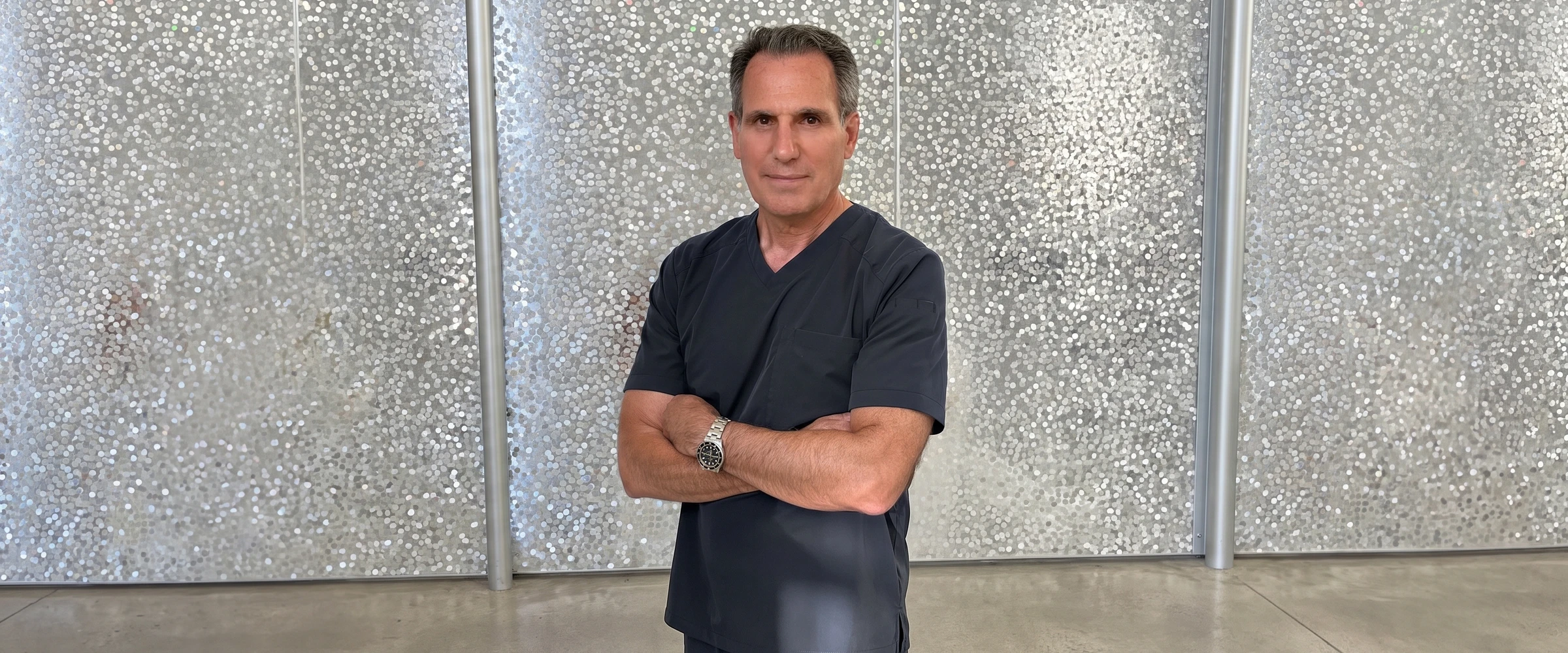
Dr. John J.W. Lee is a board-certified ophthalmologist and fellowship-trained oculoplastic surgeon specializing in eyelid and facial plastic surgery in the Philadelphia area. After completing his residency, he trained at Wills Eye Hospital, one of the nation’s top eye care institutions. Dr. Lee is also a leading injector of BOTOX® Cosmetic and Juvederm fillers, including Voluma, ranking among the “TOP 100” injectors in the country.
Dr. Lee ensures a supportive and comfortable experience by focusing on building lasting relationships with his patients. His impressive qualifications include an undergraduate degree from Johns Hopkins University, medical school at Albany Medical College, and an ophthalmology residency at Temple University Hospital. He is also a member of the American Board of Ophthalmology (ABO), the American Academy of Cosmetic Surgery (FAACS), and the American Society of Ophthalmic Plastic and Reconstructive Surgery (ASOPRS), as well as a Fellow of the American College of Surgeons (FACS).
Dr. Lee offers eyelid and facial plastic surgery services to Main Line, Philadelphia, and Bryn Mawr patients. Contact our office today to schedule a consultation with Dr. Lee to learn more about your options.
Schedule Your Consultation
Unlock your hair’s true potential with PRP and PRF treatments at our Bryn Mawr clinic with Dr. Joseph Castelli. Why settle for temporary fixes when you can achieve lasting improvements in your hair and scalp health? Our innovative procedures make us the only hair transplant clinic in Philadelphia designed to rejuvenate your scalp and promote fuller, healthier hair that you’ll love to flaunt.
Take the first step toward vibrant, revitalized locks by contacting us today to schedule your personalized consultation. Let’s get started on your journey to gorgeous hair!
The Eyelids Surgery Expert
Explore
Hair Restoration Options
Hair TransplantHair TransplantFUE hair transplants at Dr. John Lee’s Bryn Mawr, PA practice — natural, permanent results for receding hairlines and thinning hair.More about Hair Transplant FUE Hair TransplantFUE Hair Transplant...More about FUE Hair Transplant
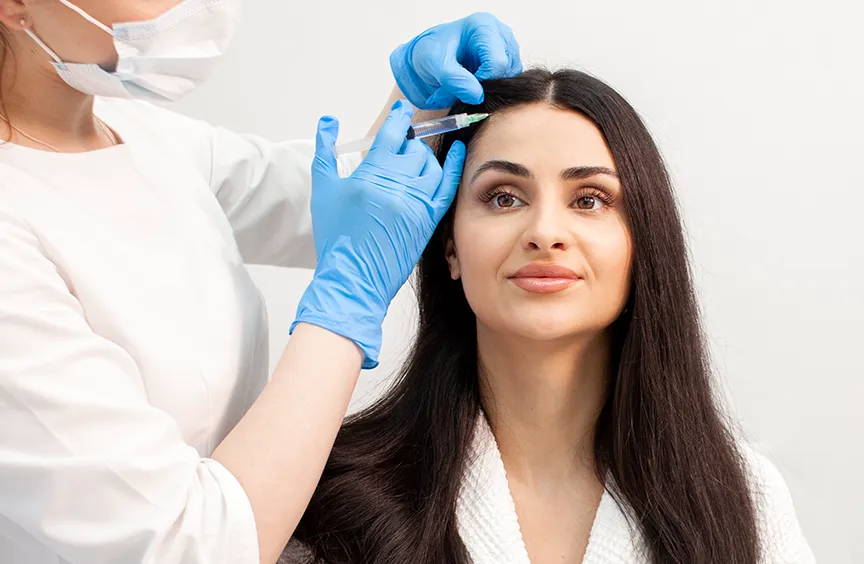 NeoGraft (#1 FDA-cleared FUE Device)NeoGraft (#1 FDA-cleared FUE Device)NeoGraft FUE hair transplants at Dr. John Lee’s Bryn Mawr practice restore natural hairlines with no linear scar. Serving Philadelphia & the Main Line.More about NeoGraft (#1 FDA-cleared FUE Device)
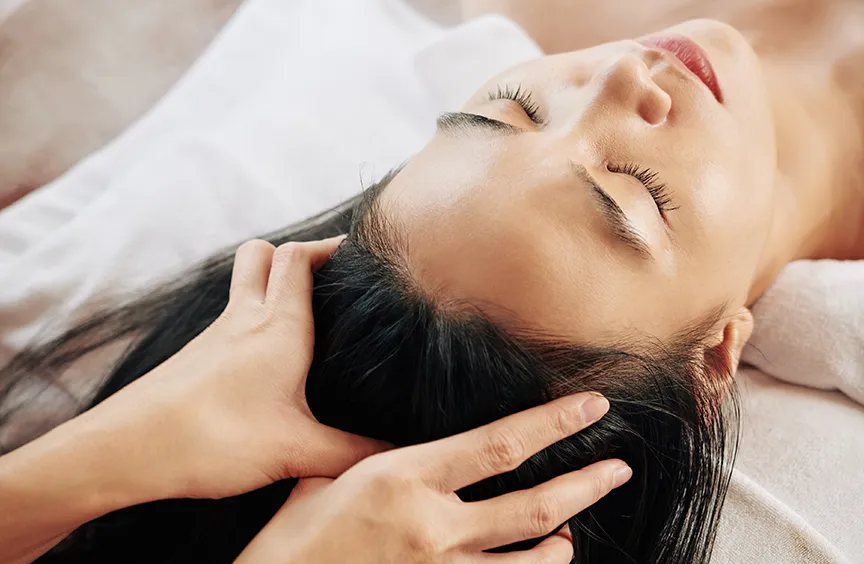 Keravive Scalp TreatmentKeravive Scalp TreatmentHydraFacial Keravive scalp treatment improves scalp health and thicker-looking hair, offered at Dr. John Lee’s Bryn Mawr, PA med spa.More about Keravive Scalp Treatment
Pricing
How Much Does PRP / PRF for Hair Restoration Cost in Philadelphia, PA?
Our clinic offers the PRP or PRF injection for hair restoration at $950 for one session and $2250 for three sessions. This treatment is recommended for optimal results, and our affordable pricing allows patients to receive multiple treatments that provide the best outcome.
Many patients may require multiple sessions to see significant improvement, which can affect the total investment. It’s a good idea to consult with Dr. Castelli in Philadelphia, PA, to get a detailed quote and understand any potential financing options available to make the treatment more accessible.

Patient questions
PRP / PRF for Hair Restoration FAQs
Is PRP/ PRF Hair Restoration Better Than Traditional Hair Transplantation Surgery?
Think of your hair like the grass in a garden—sometimes it becomes thin or doesn’t grow as well as you’d like. In these cases, it’s not about which hair restoration option is the best overall but which one is best for you. Dr. Castelli will walk you through all your options, but one of the first steps he may recommend is a treatment to “reseed” your scalp after experiencing hair loss.
PRP/PRF hair restoration is like giving your garden extra nourishment to help the grass grow stronger. During this treatment, Dr. Castelli and his team will draw a small amount of your blood, separate the “liquid gold” (PRP and PRF), and then reapply it to areas of your scalp where hair needs a boost. This process helps stimulate healthier hair growth while preventing existing hair from further thinning. The procedure is minimally invasive, doesn’t cause much discomfort, and has a relatively quick recovery time.
For more advanced cases of thinning or bald spots, hair transplant procedures like Follicular unit extraction (fue) or Neograft are more like transplanting healthy grass from one part of your garden to another. In these cases, individual hair follicles are relocated to areas with little or no hair, where they continue to grow. While this procedure is more involved and requires a longer recovery time, it can significantly increase hair volume for those experiencing more substantial hair loss.
So, if you have mild thinning, PRP/PRF might be just the “fertilizer” your hair needs. However, a hair transplant could be the more effective solution if you have noticeable thinning or bald spots. Whatever you and Dr. Castelli decide, you can expect permanent hair restoration and a renewed sense of confidence.
Is PRP / PRF for Hair Restoration Painful?
PRP and PRF hair restoration procedures are generally well-tolerated, though some discomfort may occur. The process starts with drawing a small amount of blood, which is then processed to extract platelets. Fine needles are used to inject the platelets into the scalp.
A topical anesthetic is often applied beforehand to minimize pain. During the injections, patients typically report only mild discomfort, such as a prick or stinging. Some tenderness or swelling may occur after the treatment, but it usually resolves quickly.
How Many Appointments Will I Need?
Typically, scheduling three to four sessions about four to six weeks apart is recommended to witness your new hair growth.
After the initial treatments, maintenance sessions are usually suggested every six to twelve months to sustain healthy hair follicles and thickness. The exact number of appointments to witness new natural hair growth can vary due to individual needs and response to treatment, so a consultation with your provider will help tailor a plan that’s right for you.
How Long Until I See Results?
With PRP/PRF for hair restoration, you can typically expect to start seeing noticeable results within three to six months after your initial treatments. Hair growth is gradual, so improvements in thickness and fullness may become more apparent over time. Most patients find that the most significant results appear around the six-month mark, with continued enhancement over the following months.
Can I Combine PRP / PRF for Hair Restoration With Other Procedures?
Yes, you can often combine PRP/PRF for hair restoration with other hair restoration procedures for enhanced results, like SkinPen or Infini RF microneedling, which can help improve the absorption of growth factors. In some cases, combining PRP/PRF with hair transplant surgery can optimize healing and promote better hair growth in the transplanted areas.
What Are the Risks Associated With PRP / PRF for Hair Restoration?
Though PRP and PRF for hair restoration are considered safe, like any medical procedure, they do come with some risks. These may include:
- Pain
- Discomfort
- Swelling
- Bruising
- Infection
- Inconsistent results
- Nerve damage
Discussing these potential risks with Dr. Castelli in Philadelphia, PA, during your consultation is important. They can provide personalized guidance based on your medical history and overall health.
What is FUE Hair Transplant Surgery? Is it Better Than PRP?
FUE (Follicular Unit Extraction) hair transplant surgery is a minimally invasive procedure used to treat hair loss by relocating healthy hair follicles from a donor area (typically the back or sides of the scalp) to areas with thinning or no hair. Individual follicular units are carefully extracted and transplanted during the procedure, ensuring a natural-looking result. Unlike older methods, FUE leaves tiny, discrete scars and has a quicker recovery time. It’s a popular option for people with more advanced hair loss, as it provides a more permanent solution for restoring hair density and coverage.
Whether FUE hair transplant surgery or PRP therapy is better depends on the extent of your hair loss. PRP is a non-invasive treatment ideal for mild to moderate thinning. It stimulates existing hair follicles using your body’s natural growth factors, promoting healthier growth and preventing further thinning. It’s a great option for those looking for a natural, non-surgical solution with little downtime.
FUE, on the other hand, is best for more significant hair loss or bald spots. It involves relocating healthy follicles from a donor area to areas of thinning or baldness, offering a permanent, more dramatic result. While it requires a longer recovery time, it’s the go-to choice for those seeking a lasting solution for advanced hair loss. Dr. Castelli can help you decide which option fits your needs based on the severity of your hair loss.
Patient testimonials
Patient Testimonials
★★★★★
Dr. Lee is the best. I am so grateful and happy that I got the lower bleph procedure. It wasn’t bad at all. I was anxious at first but the team and Dr. Lee make sure you are relaxed and comfortable. If you have been thinking about doing this procedure- just do it!!!! You will be so happy!!! I am!!
Dr. Lee exceeded my expectations with his exceptional skill and compassionate care. From consultation to post-op, he ensured a seamless experience. The results were fantastic reflecting his meticulous attention to detail. I highly recommend Dr. Lee and his wonderful staff!!
Today was my first time getting a facial in Dr. Lee’s office with Juliana, it was so relaxing and my skin is glowing more than it ever has, i am so happy! I definitely recommend coming here for high quality service and high quality products! You will not be disappointed!
I do thorough research before going to any physician and Dr. Lee came up repeatedly as the most skilled plastic surgeon for the face. I chose him to do my lower blepharoplasty and couldn’t be more pleased. Not only is he skilled but he is kind, humble and concerned about his patients. I would trust Dr. Lee for any plastic surgery procedure I decide to have in the future.
I sought out Dr. Lee due to his experience with treatment of TMJ. I was living with daily jaw pain and headaches. A treatment plan was created for me and my quality of life has drastically improved. Due to Dr. Lee’s expertise with facial anatomy, my smile has remained optimal and he has taken care to maintain symmetry in my face. Wonderful practice and team!
Dr. Lee is an expert with an artistic eye. I wouldn’t go to anyone else. He is extremely knowledgeable, talented and very kind. I’m always pleased with the results after seeing him.