
If you’re breastfeeding and thinking about Botox again, you’re not the only one.
Many new moms want to feel refreshed but worry about safety.
So here’s the direct answer you’re searching for:
Botox is considered low risk while breastfeeding because it stays localized in the muscle and isn’t expected to enter breast milk.
However, research is limited, which is why many providers recommend a personalized, case-by-case approach.
SEE IF BOTOX TREATMENT IS RIGHT FOR YOUQuick Answer Snapshot
• Transfer to breast milk: Unlikely
• Systemic absorption: Extremely low with cosmetic doses
• Pumping and dumping: Not needed
• Main caution: Early postpartum period or personal preference to wait
• What providers recommend: Discuss timing, health history, and comfort level
Why This Question Matters to New Moms
Postpartum life brings hormonal shifts, lack of sleep, rapid physical changes, and a natural desire to feel more like yourself again.
Botox can help you look refreshed, but safety comes first when you’re feeding your baby, which is why clear, simple guidance is so important.
How Botox Works and Why This Matters for Breastfeeding
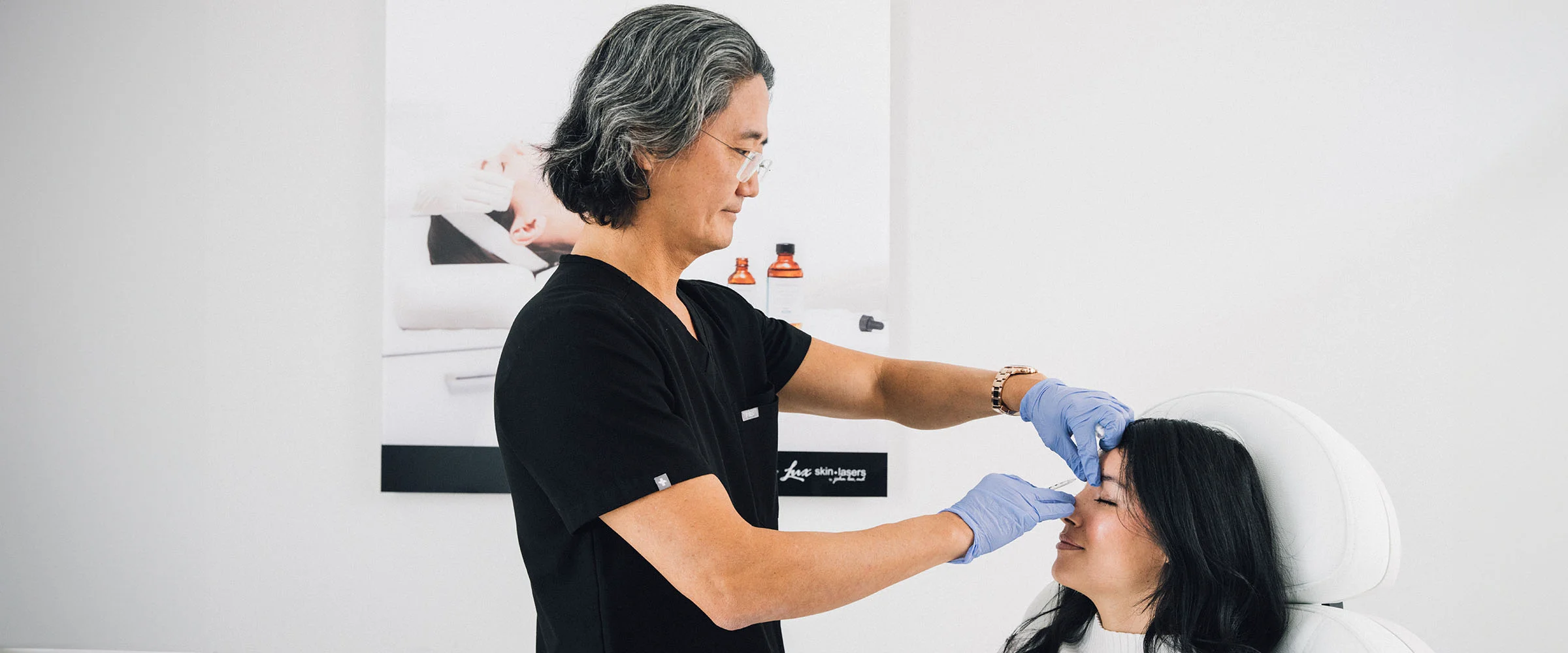
Botox is a purified neurotoxin injected just under the skin into specific muscles.
Once placed, it:
- stays at the injection site
- binds to the local nerve ending
- does not circulate through the body in meaningful amounts
Because it doesn’t travel far from where it’s injected, experts consider breast milk exposure highly unlikely.
This local action is one of the main reasons it’s generally viewed as compatible with breastfeeding.
Does Botox Enter Breast Milk? What Research Shows
Here’s what’s known:
- Botox is too large to pass into breast milk
- Cosmetic doses remain localized
- Even higher medical doses (like migraine treatment) haven’t shown transfer
Current evidence, though limited, does not show Botox appearing in breast milk, even in situations where a mother was exposed to more than cosmetic amounts.
Because formal studies in breastfeeding women are rare, medical groups take a balanced stance: low theoretical risk, but worth discussing with your provider.
Is Botox Safe While Breastfeeding? Expert Consensus Explained Simply
You’ll find three viewpoints among clinicians:
1. “Low Risk” Approach
Most breastfeeding resources and toxicology centers consider Botox compatible with breastfeeding based on how it behaves in the body.
2. “Limited Research, Use Judgment” Approach
Some providers offer Botox but review the evidence gaps and leave the choice to the mother.
3. “Wait If You’re Unsure” Approach
Some providers suggest waiting until breastfeeding is established or until the mother feels completely comfortable with the decision.
At Dr. John Lee Surgery in Bryn Mawr, PA, the recommendation is tailored to your timeline, goals, and overall health.
When It May Be Better to Wait
You might choose to postpone Botox if:
- You’re in the first few weeks postpartum
- Your milk supply is still stabilizing
- Your baby is premature or medically fragile
- You’re someone who prefers zero uncertainty
- You’re considering higher-dose medical Botox, not cosmetic Botox
Waiting a little longer won’t affect your long-term results, Botox works the same whether you’re three months postpartum or two years postpartum.
Do You Need to Pump and Dump After Botox?
No.
Pumping and dumping does not reduce exposure, because Botox does not enter the bloodstream at levels that would reach breast milk.
This is a common misconception, but there is no mechanism for Botox to move into milk ducts.
Botox for Migraines vs Cosmetic Botox While Breastfeeding
Some women receive Botox for medical conditions, such as migraines or muscle spasms.
These treatments use higher doses than cosmetic injections.
Even then:
- systemic absorption remains low
- breast milk transfer hasn’t been detected
Still, medical Botox should be discussed with the provider managing your condition and your pediatrician.
Are Other Cosmetic Injectables Safe While Breastfeeding?
Many breastfeeding moms ask about fillers or other injectables at the same time.
Here’s a quick breakdown:
• Dermal fillers (hyaluronic acid): Generally considered low risk
• Chemical peels: Many are safe depending on the ingredients
• Microneedling: Often allowed with proper aftercare
• Laser treatments: Typically safe but depends on the device
• Skin tightening treatments: Usually safe with no systemic effects
Botox is actually one of the more studied options, and its localized action makes it an option for breastfeeding mothers after evaluation.
Alternatives to Botox for Breastfeeding Mothers
If you’d prefer to wait, you still have effective options:
- Medical-grade skincare for fine lines
- Peptide-based products
- Safe chemical peels
- Device-based treatment for texture and tone
- Brightening and hydration treatments under the eyes
- Non-injectable tightening devices
These can refresh your appearance without involving neurotoxins.
How Dr. John Lee Approaches Botox for Breastfeeding Mothers
Your decision will never be rushed.
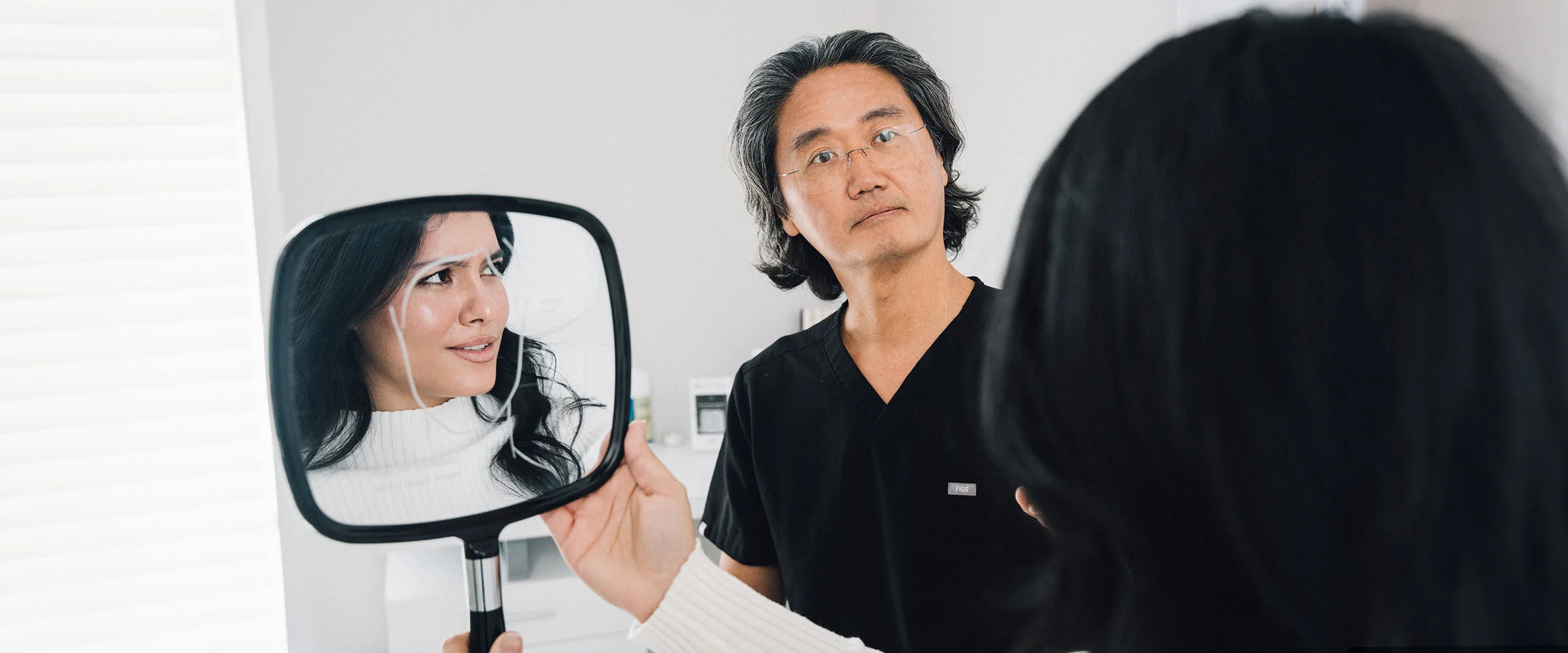
During your consultation, you’ll review:
- Your postpartum stage
- How breastfeeding is going
- Whether you’ve had Botox before
- Any medical conditions
- Your cosmetic goals
- Whether alternatives might be better right now
Many breastfeeding mothers do choose Botox after a thoughtful review.
Others decide to wait.
The goal is to help you choose the option that feels safest and most aligned with your needs.
CONTACT USFinal Thoughts: Can You Get Botox While Breastfeeding
Botox is considered low risk for breastfeeding mothers because it stays localized and isn’t expected to enter breast milk.
While research is limited, most experts agree the theoretical risk is minimal.
Contact us and we can help you decide whether botox is right for you or if you should wait.
SCHEDULE A CONSULTATIONFAQs: Can You Get Botox While Breastfeeding
How long after Botox can I breastfeed?
You can breastfeed immediately after Botox. Because the medication stays localized in the muscle and does not circulate through the bloodstream in meaningful amounts, there’s no need to wait or pump and dump.
Does Botox get into the breast milk supply?
Current evidence suggests Botox is not expected to enter breast milk. The molecule is too large to pass into the milk ducts, and cosmetic doses remain localized at the injection site rather than spreading through the body.
Has anyone had Botox when breastfeeding?
Yes. Many women choose to get Botox while breastfeeding, and no cases of infant harm from cosmetic Botox have been reported. Providers still recommend a personalized conversation because research in postpartum women is limited, but real-world usage has been reassuring.
What if I got Botox and did not know I was pregnant?
Unintentional Botox exposure in early pregnancy is rarely considered a cause for concern. Studies and case reports have not shown a link between cosmetic Botox and negative pregnancy outcomes. If this happens, most providers recommend simply informing your OB for documentation.
How often to get Botox?
Most people receive Botox every three to four months, depending on how quickly their body metabolizes the treatment and the areas being treated. Some notice longer-lasting results over time, while others prefer a consistent schedule to maintain smoother lines year-round.