Home BOTOX® in Philadelphia & the Main Line
BOTOX® in Philadelphia & the Main Line
Introduction To Botox
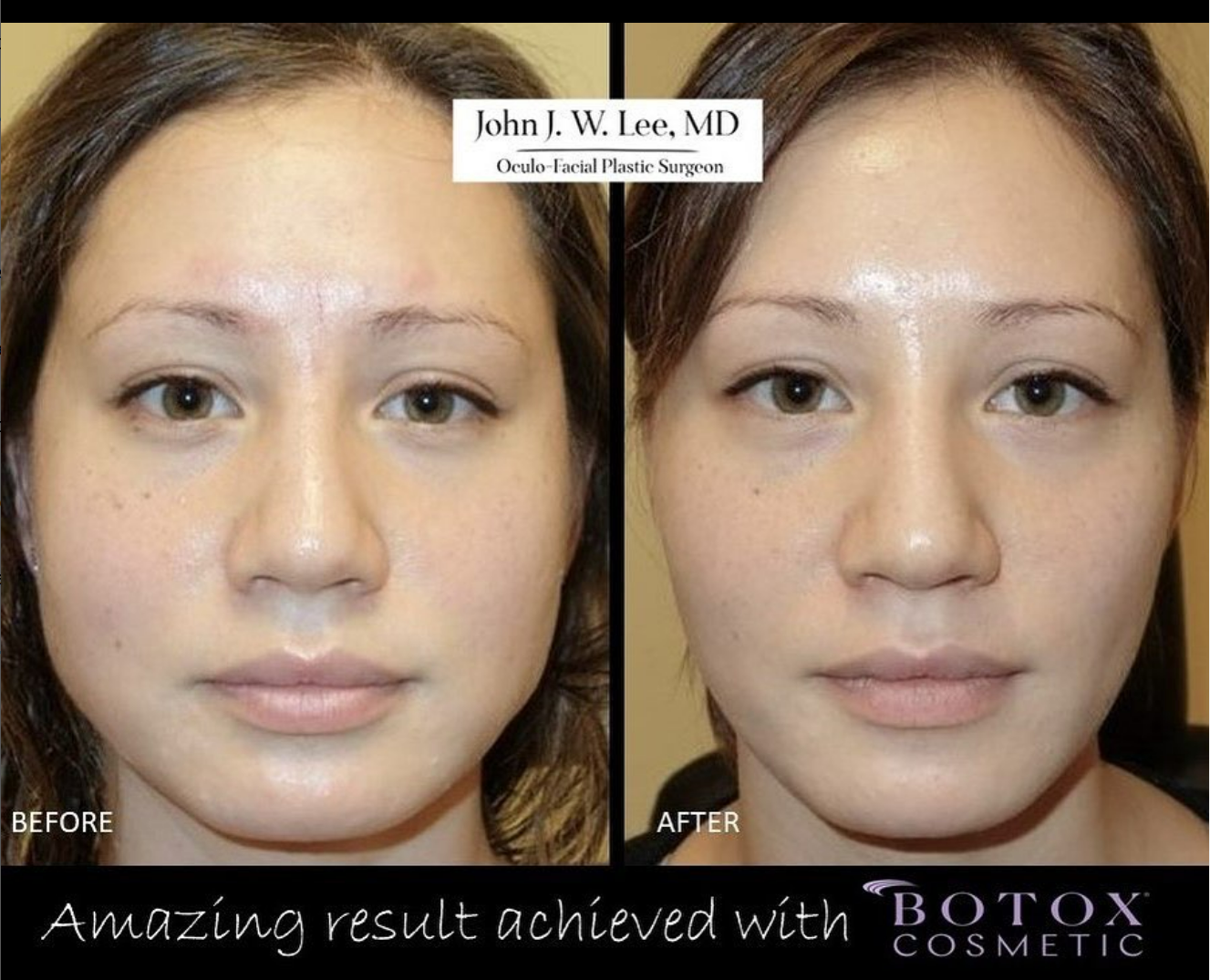
Last year there were over 1.6 million treatments with Botox in the United States alone. Botox treatments have been around for over twenty years and there are over 200 studies confirming the safety and efficacy of Botox. BOTOX is FDA approved for the treatment of Glabella frown lines between the eyes and crows feet (around the corners of the eyes), but it is also commonly used for the treatment of forehead wrinkles, to elevate the brow, and to reduce the appearance of wide and prominent jaw-line, vertical neck bands, headaches, and sweating.
Studies have shown that using cosmetic botox for ongoing period of time, patients have noticed substantial softening of existing wrinkles but also prevention of new wrinkles developing.
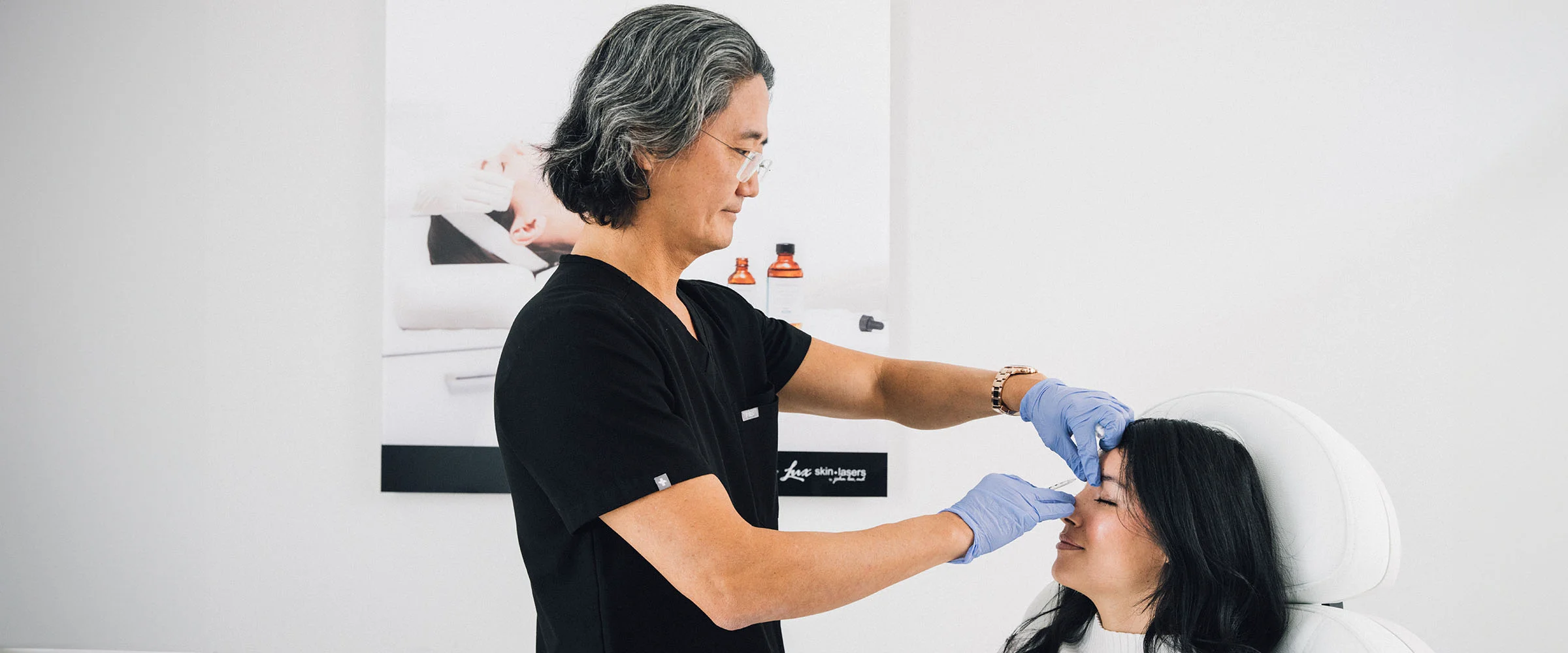
Meet Dr. Lee in Bryn Mawr, near Gladwyne, Villanova, Newtown Square, Wayne, Haverford, and west of Philadelphia.
Why Choose Our Providers for Your BOTOX Injections
Trust a TOP BOTOX Cosmetic TOP 100 (top 1% in the country) Allergan Certified aesthetic center for your Botox & Juvederm and Voluma injections! This means our center is one of the countries highest volume and most experienced providers in the country. Our providers have all been personal trained by Dr. John Lee, a highly experienced, one of the busiest Botox provider in the Main Line and Philadelphia area.
To schedule a treatment with Dr. Lee and Dr. Castelli, a $100 non-refundable consultation deposit will need to be processed. The deposit is applied toward your treatment ONLY if you abide by our cancellation policy- no cancellation within 48 business hours. **Our Botox pricing is $12-$15 per unit (Dr. Lee is $15 per unit $750 min). BOTOX Cosmetic is the most common cosmetic procedure in the United States.
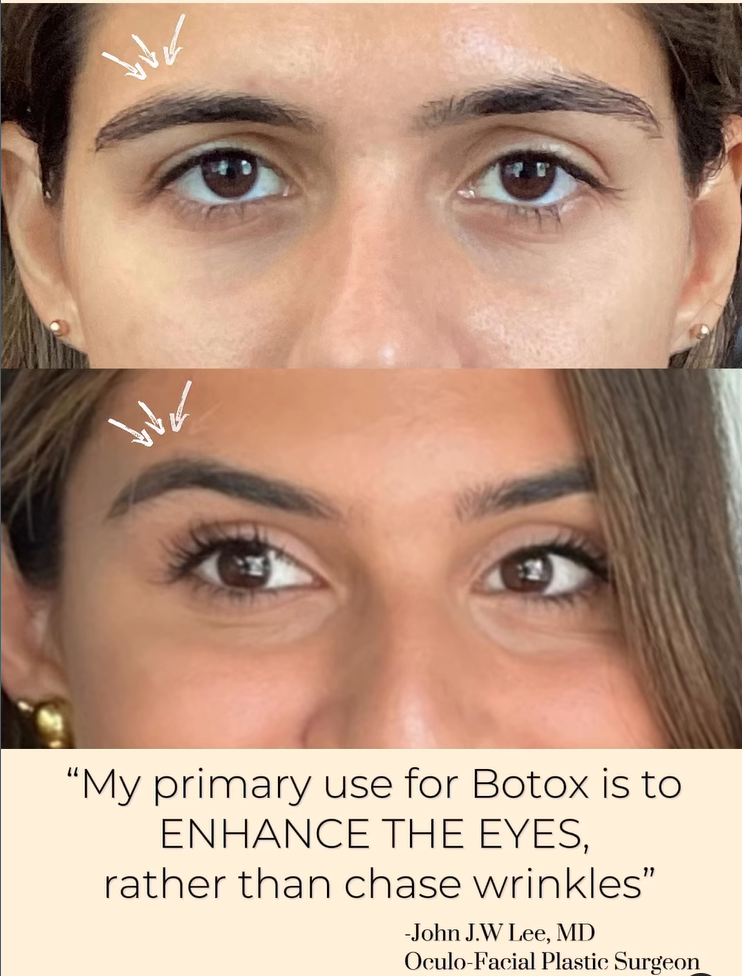
Botox injections can provide an uplifted, more open eyes result achieved by “Botox brow lift” treatment. Ongoing treatments will prevent the forehead and brows from collapsing or falling which is caused by expression muscles and also reduce existing “dynamic lines” (facial lines created by facial expressions) and also prevents further lines from developing in the future.
Candidates For BOTOX Cosmetics
We have patients in their late 20s receiving Botox Injections. This helps to prevent future fine lines and wrinkles from forming.Botox is most effective injected in the forehead, glabellar (area between eyes) and crows feet(around the sides of eyes) areas. Less commonly performed but effective is injections to the jaw area. Injections to the jaw area creates a thinner jawline. Satisfaction with Botox are almost 100% among plastic surgery patients.
Botox Recovery
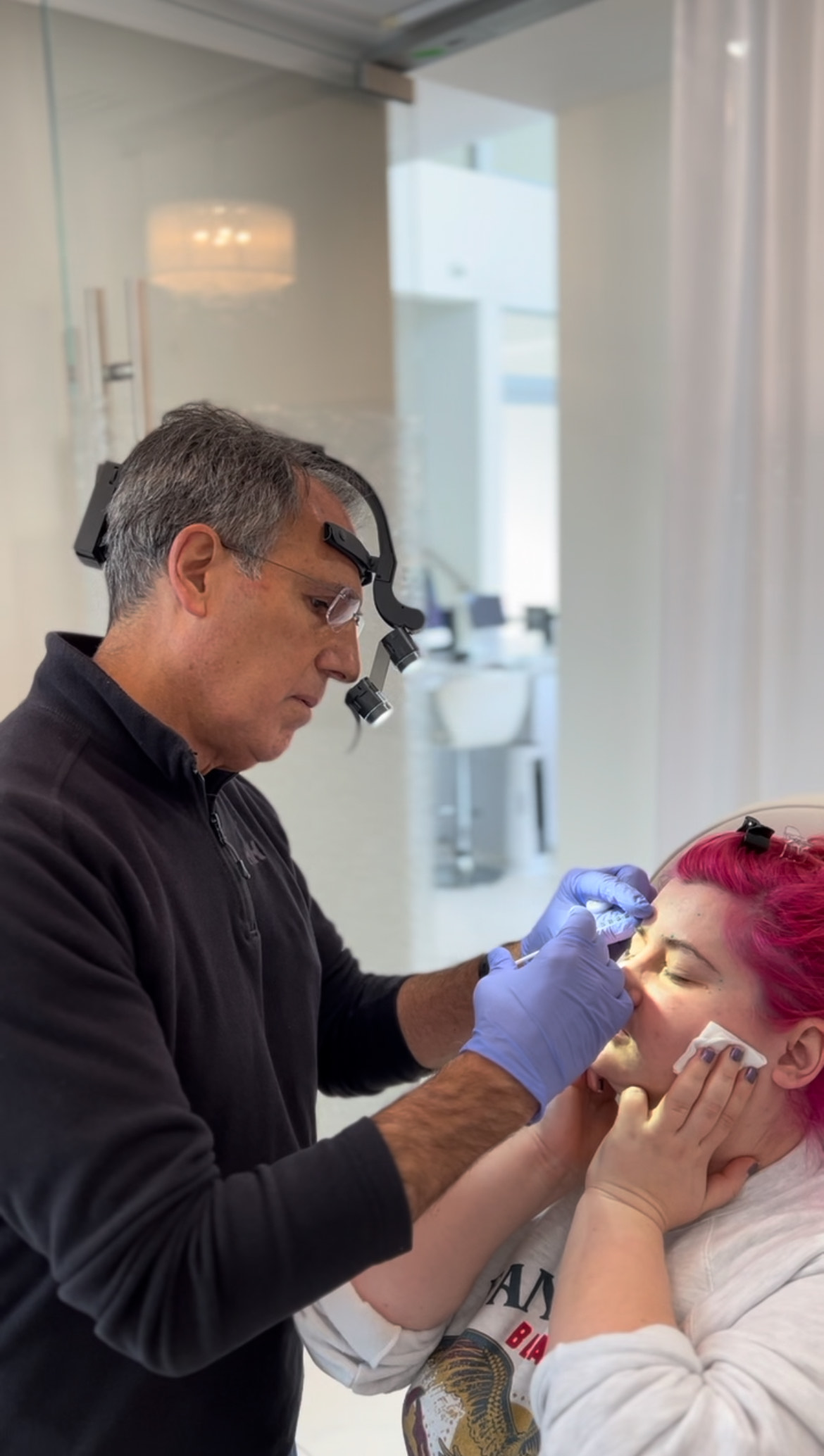
Botox Cosmetic treatments generally last about 3-4 months. We provide anesthetic cream application to all our patients at no additional charge. The injections take less than five minutes and you can immediately resume your regular activities. The most common side effect is bruising. Botox is not recommended for patients who are pregnant or planning to become pregnant, breast feeding or those who have neuromuscular conditions.
It is important to make sure that injections are given by a qualified medical professional who uses only FDA approved Botox manufactured by Allergan. There have been reports of non-qualified people injecting non FDA approved Botox resulting in death. It is important to emphasize that there have been millions of injections with FDA approved Botox for cosmetic purposes and no reports of any serious side effects.
The recent report of 16 deaths associated with Botox injections include only one patient who died of pneumonia seven weeks after the injection. The patients medical doctors did not believe that the Botox injection was related to the patients death. The remaining 15 patients were related to large doses of Botox administered for medical purposes(patients with severe chronic illness).
Schedule a Consultation with Dr. Lee Today!
For additional information, please see BOTOX for Medical Purposes. Read more about Am I a Candidate for BOTOX Cosmetic? If you would like to discuss BOTOX Cosmetic in greater detail or are ready to schedule an appointment, please contact Dr. John J.W. Lee today at (610) 789-6701!
The Eyelids Surgery Expert
Explore
Injectable Treatment Options
 DysportDysportDysport injections by Dr. John Lee smooth forehead lines and crow's feet. How it compares to Botox, what it costs, and how long results last. Bryn Mawr, PA.More about Dysport
 DaxxifyDaxxifyDaxxify — the first vegan, long-lasting neurotoxin — offered by top-1% injector Dr. John Lee in Bryn Mawr, PA. Results can last up to 6 months.More about Daxxify
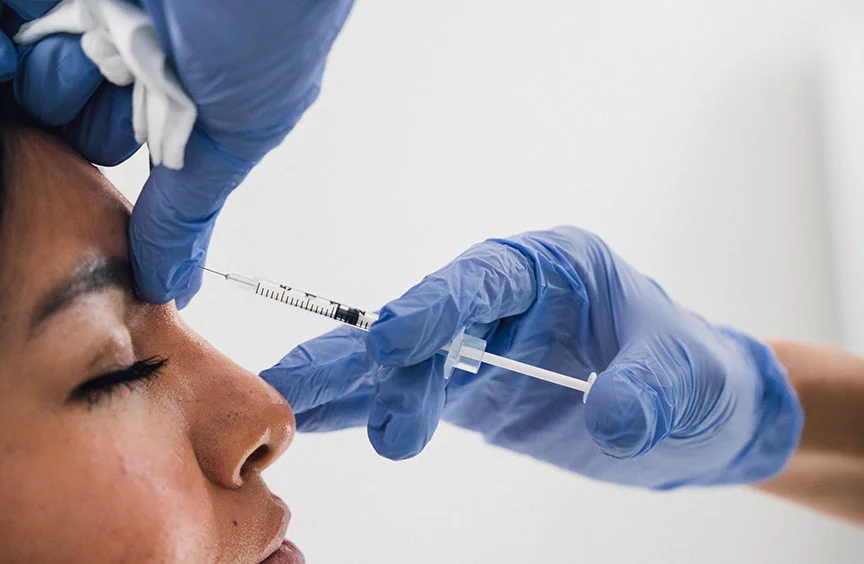 Jawline & Masseter BotoxJawline & Masseter BotoxMasseter Botox for TMJ pain, jaw clenching, and jaw slimming by Dr. John Lee in Bryn Mawr & Philadelphia. What it costs, how long relief lasts, and what to expect.More about Jawline & Masseter Botox
 Facial FillersFacial FillersSchedule a consultation with Dr. John Lee to discuss the non-surgical cosmetic dermal filler options designed to restore youthful appearances.More about Facial Fillers
Pricing
How Much Does BOTOX Cost?
Our Botox pricing ranges from $12/$300 min. for Dr. Castelli and nurse providers and $15 per unit/$750 min. w/ Dr. Lee (his peers charge $17+). We are able to provide this affordable pricing due to the high volume of treatments we perform. Dr. Lee’s philosophy of providing exceptional results at an affordable price allows patients to receive the optimal dosage/units for optimal results and also enjoy the long-term benefits of Botox with ongoing 3-4 months treatments. The following are typical injection prices per location:
- Glabella (area between the eyes brows): recommend min. 25-30 units
- Entire forehead including glabella area: 30-35 units *FDA recommended dosage for these 2 areas are min. 40 units
- Crows feet(lines side of eyes-laugh lines): 20-25 units *FDA recommended dosage is min. 24 units for this area
- Jaw area to create slimmer facial contour: recommend 70-75 Botox units ($100 off if receiving our recommended dosage); the results are better and longer lasting with proper dosage; best treatment plan is to have 70-75 units 3 months apart for the initial 2-3 injections, then the results will last longer as the muscle atrophies and becomes weaker
- *Additional discount offered through Allergan’s Brilliant Distinctions patient loyalty program; membership is free and ongoing coupons available to be used on all Allergan family of products including Latisse and SkinMedica skincare.
Patient questions
BOTOX® FAQ’S
Do you offer Botox treatments in Bryn Mawr, PA, and nearby Main Line areas?
Yes, Dr. John Lee, MD provides Botox treatments at his Bryn Mawr medspa, conveniently serving patients from Gladwyne, Villanova, Wayne, Haverford, and Newtown Square. Many patients choose our practice for its easy access from across the Main Line and personalized, physician-led care.
How much does Botox typically cost in Bryn Mawr?
Botox pricing varies based on the areas treated and the number of units needed, which is determined during your consultation with Dr. Lee. Most patients in the Bryn Mawr and Main Line area can expect costs to fall within a reasonable per-unit range discussed upfront, with no pressure to commit the same day.
Who performs Botox injections at Dr. John Lee’s medspa?
All Botox treatments are performed or directly overseen by Dr. John Lee, MD, a licensed physician with medical training and aesthetic experience. Patients from Villanova, Wayne, and surrounding areas appreciate knowing their care is handled by a doctor who prioritizes safety and natural-looking results.
Is Botox safe, and what is the recovery like?
Botox is FDA-approved and considered safe when administered by a qualified medical professional like Dr. Lee. Most patients return to normal activities the same day, with minimal downtime and mild side effects such as temporary redness or swelling at the injection sites.
How do I know if I’m a good candidate for Botox?
Botox is commonly used by adults looking to soften frown lines, forehead wrinkles, or crow’s feet, and a consultation is the best way to determine if it’s right for you. Dr. Lee evaluates your goals, medical history, and facial anatomy to ensure Botox is appropriate and aligns with your expectations.
How do I schedule a Botox consultation in Bryn Mawr?
Scheduling a Botox consultation is easy—patients can call the office or request an appointment online through drjohnleesurgery.com. Our Bryn Mawr location is a popular choice for patients from Haverford, Newtown Square, and the surrounding Main Line communities.
How does Botox compare to other wrinkle treatments?
Botox works by relaxing targeted facial muscles to reduce dynamic wrinkles, while other treatments like dermal fillers add volume to different areas. During your consultation, Dr. Lee explains whether Botox alone or a combination approach makes the most sense for your facial concerns and long-term goals.
Patient testimonials
Patient Testimonials
★★★★★
Dr. Lee is the best. I am so grateful and happy that I got the lower bleph procedure. It wasn’t bad at all. I was anxious at first but the team and Dr. Lee make sure you are relaxed and comfortable. If you have been thinking about doing this procedure- just do it!!!! You will be so happy!!! I am!!
Dr. Lee exceeded my expectations with his exceptional skill and compassionate care. From consultation to post-op, he ensured a seamless experience. The results were fantastic reflecting his meticulous attention to detail. I highly recommend Dr. Lee and his wonderful staff!!
Today was my first time getting a facial in Dr. Lee’s office with Juliana, it was so relaxing and my skin is glowing more than it ever has, i am so happy! I definitely recommend coming here for high quality service and high quality products! You will not be disappointed!
I do thorough research before going to any physician and Dr. Lee came up repeatedly as the most skilled plastic surgeon for the face. I chose him to do my lower blepharoplasty and couldn’t be more pleased. Not only is he skilled but he is kind, humble and concerned about his patients. I would trust Dr. Lee for any plastic surgery procedure I decide to have in the future.
I sought out Dr. Lee due to his experience with treatment of TMJ. I was living with daily jaw pain and headaches. A treatment plan was created for me and my quality of life has drastically improved. Due to Dr. Lee’s expertise with facial anatomy, my smile has remained optimal and he has taken care to maintain symmetry in my face. Wonderful practice and team!
Dr. Lee is an expert with an artistic eye. I wouldn’t go to anyone else. He is extremely knowledgeable, talented and very kind. I’m always pleased with the results after seeing him.