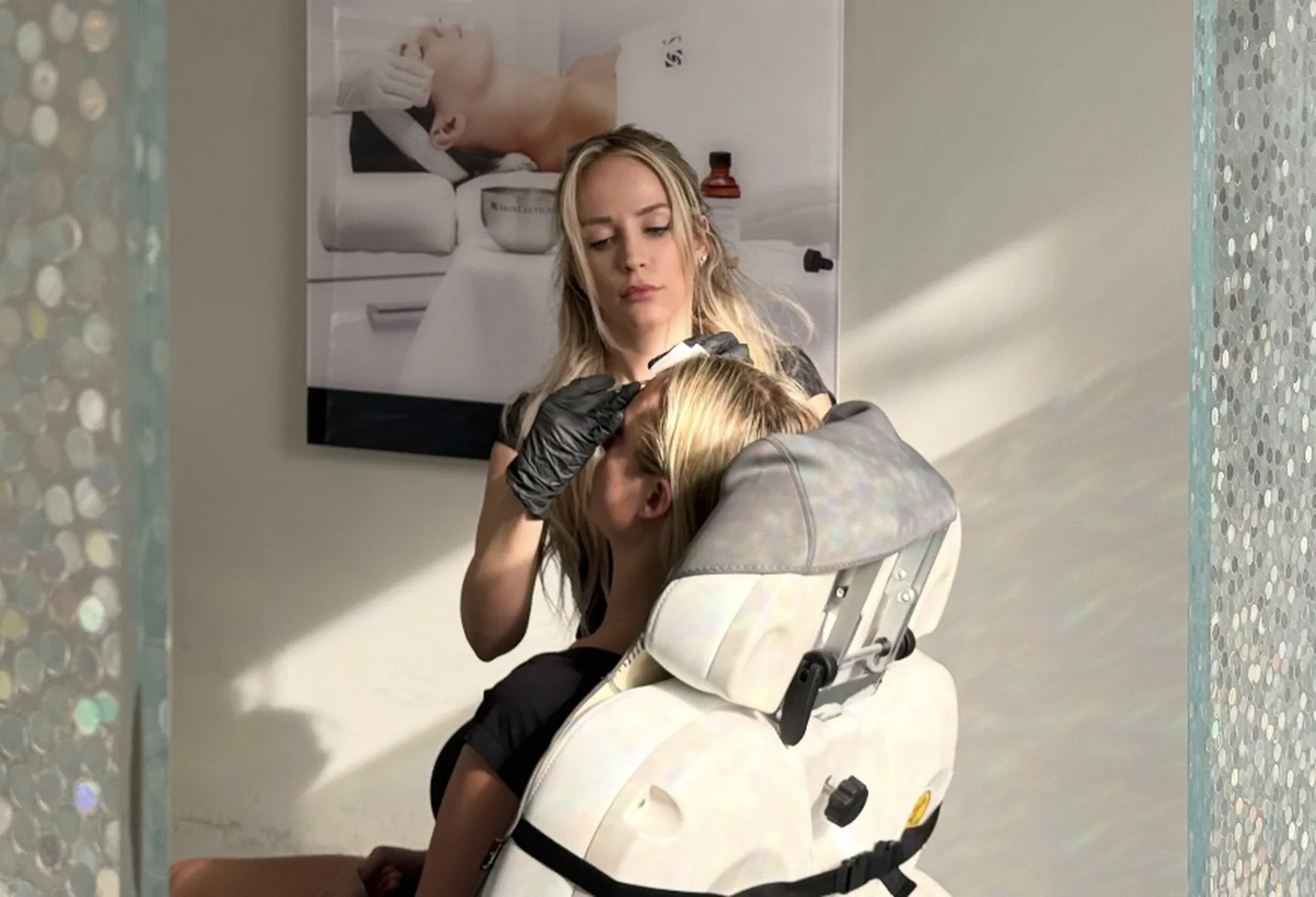


If you’re wondering how often should you get Botox?
You’re not alone.
Most people schedule touch-ups every 3 to 4 months, but the ideal timeline depends on your age, facial muscle strength, treatment areas, and lifestyle.
Some long-term patients even stretch to 6 months between sessions.
Here’s everything you need to know about how often to get Botox, how long it lasts, and how to plan your schedule for the best results.
How Long Does Botox Last?
Studies show on average, Botox lasts three to four months.
You’ll notice smoother skin within a few days, with peak results at about two weeks.
Over time, your body naturally metabolizes the neurotoxin, allowing muscle movement to gradually return.
When expression lines begin to reappear, that’s your cue for a touch-up.
How Often Should You Get Botox?
For most people, every 3–4 months keeps results consistent and natural-looking.
However, your ideal schedule may vary based on:
- Age and muscle activity: Younger patients or those with mild expression lines may only need Botox every 4–6 months. People with strong facial muscles or deeper lines often need it closer to every 3 months.
- Treatment area: Areas like the forehead and crow’s feet tend to need touch-ups more often than smaller regions like the chin or lip lines.
- Lifestyle factors: Frequent exercisers, sunbathers, or those with faster metabolisms may metabolize Botox more quickly.
- Consistency: Regular patients often notice Botox lasts longer over time as treated muscles adapt, allowing appointments to be spaced out further.
Typical Botox Schedule by Area and Age
| Treatment Area | Average Duration | Recommended Frequency |
| Forehead Lines | 3–4 months | Every 12–16 weeks |
| Crow’s Feet | 3 months | Every 10–12 weeks |
| Frown Lines (Glabella) | 3–4 months | Every 12–16 weeks |
| Lip Lines / Chin | 4–6 months | Every 16–24 weeks |
| Preventive (20s–30s) | 4–6 months | Twice a year |
| Corrective (40s+) | 3–4 months | 3–4 times a year |
How Often Can You Get Botox?
You can safely get Botox every 3 months, but not sooner.
Injecting too frequently can reduce effectiveness and increase the risk of side effects like muscle weakening or resistance.
If your results fade faster than expected, talk with your provider.
It could be related to dosage, injection technique, or your individual metabolism, not necessarily the product itself.
Preventive vs. Corrective Botox
Your goals determine your ideal Botox schedule:
- Preventive Botox helps keep fine lines from forming in the first place. These patients, often in their late 20s or 30s, typically need touch-ups every 4–6 months.
- Corrective Botox softens existing lines and wrinkles. For this purpose, treatments are usually every 3–4 months to maintain a consistent result.
With consistent care, many patients find they can extend the time between sessions over the years.
How Soon After Botox Can You Get a Touch-Up?
If an area still shows minor movement after two weeks, a small touch-up can be performed once the initial effects are fully visible.
However, you should always wait at least two weeks before adding more units to avoid overcorrection or uneven results.
How to Make Botox Last Longer
A few lifestyle habits can help you enjoy longer-lasting results:
- Use sunscreen daily and avoid tanning or prolonged sun exposure.
- Maintain a consistent skincare routine with antioxidants, retinol, and moisturizer.
- Avoid smoking and limit alcohol, which both accelerate aging.
- Stay hydrated and manage stress, as both affect skin health.
- Don’t rub or massage the treated area for at least 24 hours after injections.
These small steps can help you stretch the time between treatments while keeping your skin smooth and refreshed.
What Happens If You Wait Too Long Between Treatments?
Skipping or delaying treatments won’t harm your skin, but muscles will eventually regain full movement, allowing fine lines to deepen again.
Over time, you’ll lose the “training effect” that keeps wrinkles softer.
Staying consistent, without overtreating, helps maintain smoother results and may even reduce how much Botox you need long-term.
Expert Insight: Dr. John Lee Surgery’s Personalized Botox Plans
At Dr. John Lee Surgery in Bryn Mawr, PA, Botox isn’t a one-size-fits-all treatment.
Every patient has unique facial anatomy and goals.
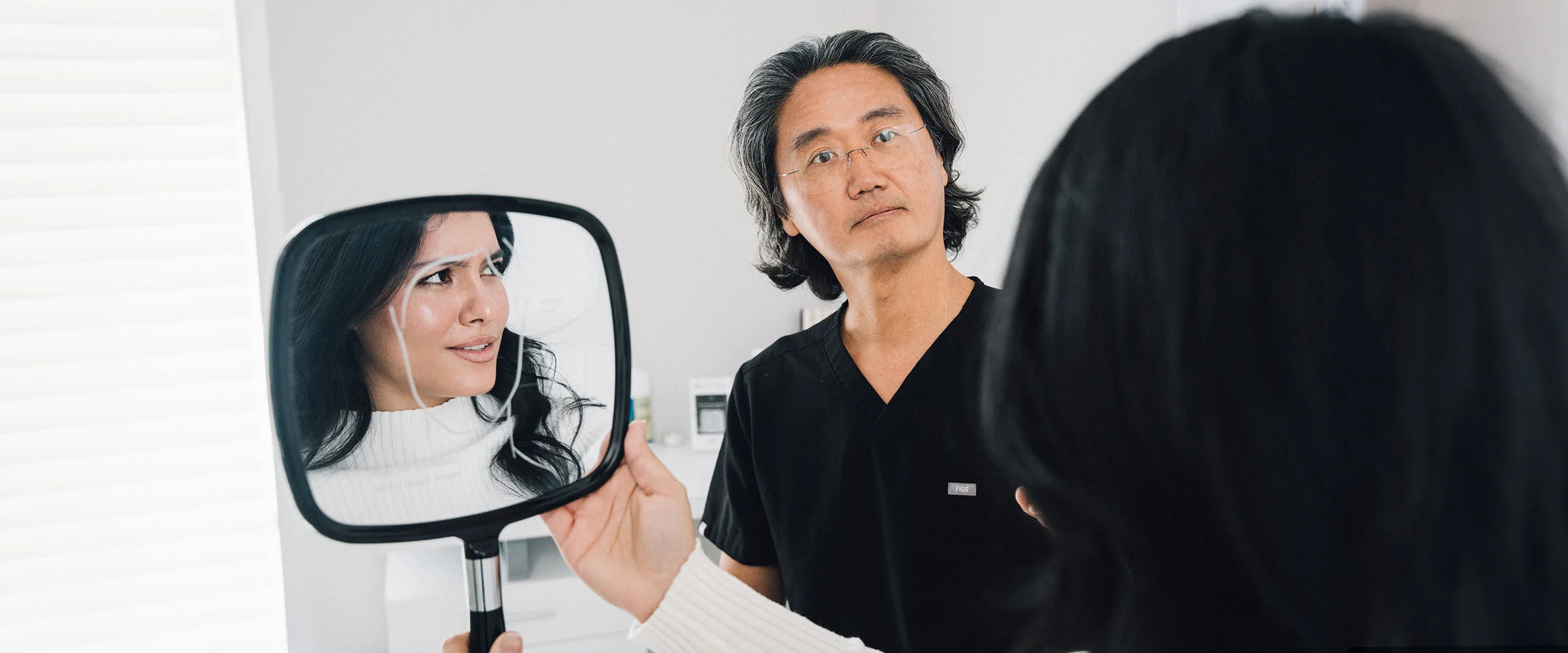
During your consultation, Dr. Lee and his team analyze your muscle movement and aesthetic priorities to create a customized Botox schedule that fits you.
- First-timers often start with touch-ups every 3–4 months.
- Long-term patients may transition to every 5–6 months as results stabilize.
- Each plan is designed for natural-looking outcomes that enhance your features without changing your expression.
As a double board-certified facial plastic surgeon, Dr. Lee combines advanced technique with an artistic approach to deliver subtle, lasting results.
The Bottom Line
The general rule is simple: plan Botox every 3–4 months, but personalize it to your needs.
Your ideal schedule depends on your skin, facial movement, and treatment goals.
If you’re asking “how often should I get Botox?” or “how often can I get Botox?”, the best answer comes from a personalized consultation.
Schedule your Botox appointment with Dr. John Lee Surgery in King of Prussia, Margate, and Bryn Mawr, PA to create a custom plan that keeps your results looking fresh, balanced, and natural.
FAQs
How often should you wait between Botox?
Most people should wait about 3 to 4 months between Botox sessions. This allows the treated muscles to regain slight movement before your next touch-up, keeping results natural and preventing overuse.
What is the rule of 3 in Botox?
The “rule of 3” refers to the average Botox cycle: results appear in about 3 days, peak at 3 weeks, and last around 3 months. It’s a simple way to remember the typical Botox timeline.
Where does Botox work best?
Botox works best on dynamic wrinkles, those caused by repeated facial movements, such as forehead lines, crow’s feet, frown lines between the brows, and fine lines around the mouth.
Does Botox eventually age you?
No, Botox doesn’t make you age faster. In fact, by relaxing facial muscles and reducing repetitive movement, it can help prevent deeper wrinkles from forming over time.
Can I get Botox too often?
Yes, getting Botox too frequently, less than every 3 months, can weaken facial muscles and cause unnatural results. Always follow your provider’s recommended schedule.
Will Botox last longer if I get it regularly?
Yes. Consistent Botox use helps “train” your muscles to stay relaxed, which can make results last longer and reduce the amount of product needed over time.
How long does Botox take to wear off?
Botox typically wears off after 3 to 4 months, though some people notice effects lasting up to 6 months depending on metabolism, muscle strength, and treatment area.